Introduction
Scars tell stories—of growth, injury, healing—but sometimes we’d prefer them to whisper, not shout. If you’re searching for natural remedies for scars that actually work (without resorting to harsh treatments), you’re in the right place.
This guide explores evidence-backed, holistic approaches to softening and fading scars using ingredients from your pantry and nature’s pharmacy. It’s educational information, not medical advice—if you have keloids, hypertrophic scars, or a medical condition, consult a dermatologist before trying new treatments.
Let’s help your skin heal with kindness.
What Causes Scars to Form?
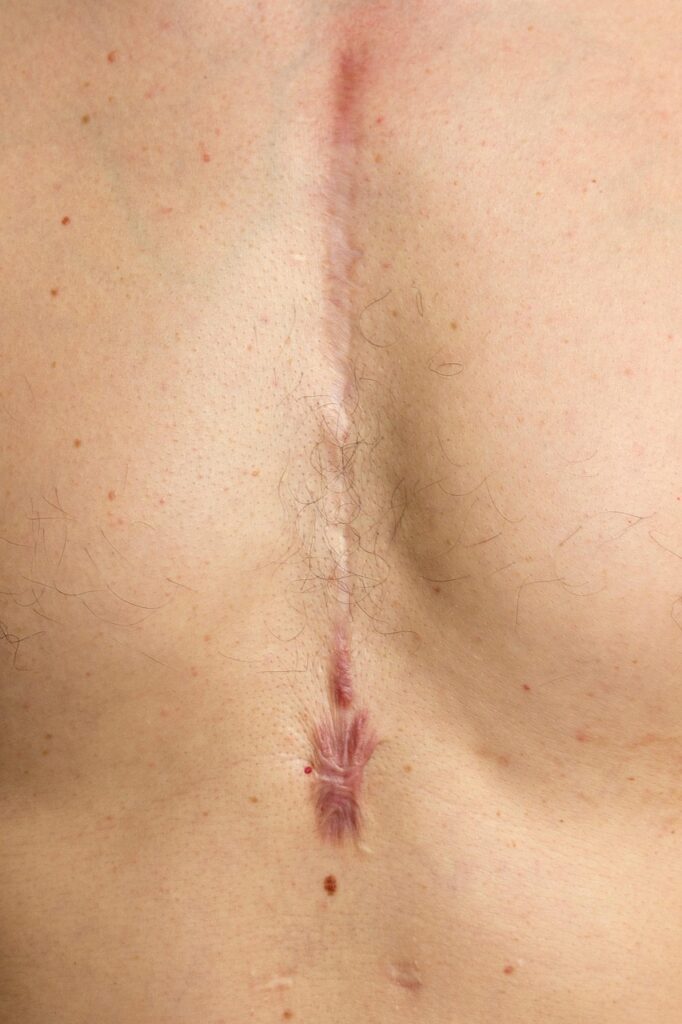
Scars develop when skin undergoes deeper injury—like cuts, burns, acne, or surgery. Your body rushes in to repair the damage, producing collagen. But when too much or too little collagen is made, the result is a visible scar—raised, flat, or indented.
Factors influencing scar formation include:
- Depth and type of wound
- Skin tone and genetics
- Healing speed and wound care
- Exposure to sunlight or infection
Natural remedies for scars can’t erase scars completely, but they can fade, soften, and improve texture—especially when used consistently over time.
9 Natural Remedies for Scars (That Actually Work)
1. Aloe Vera Gel
- Why it helps: Soothes inflammation, hydrates, and may reduce scar tissue over time.
- How to use: Apply fresh aloe gel 2–3 times daily to clean skin.
2. Honey (Raw or Manuka)
- Why it helps: Antibacterial and healing properties encourage tissue regeneration.
- How to use: Apply a thin layer over the scar at night; rinse in the morning.
3. Rosehip Oil
- Why it helps: Rich in essential fatty acids and antioxidants that support skin repair.
- How to use: Massage a few drops into the scar once daily.
4. Vitamin E (Topical)
- Why it helps: May improve appearance and reduce pigmentation in some cases.
- How to use: Apply diluted vitamin E oil to scars (always patch-test first).
5. Lemon Juice (Diluted)
- Why it helps: A natural alpha hydroxy acid (AHA) that may lighten dark scars.
- How to use: Mix with water or honey; apply sparingly and rinse after 10 minutes. Use sunscreen afterward—citrus can increase sun sensitivity.
6. Tea Tree Oil
- Why it helps: Antiseptic and anti-inflammatory, especially useful for acne-related scarring.
- How to use: Dilute with a carrier oil; dab gently onto the scar once daily.
7. Coconut Oil
- Why it helps: Deeply hydrating and may support collagen production by keeping skin moisturized.
- How to use: Warm a small amount and massage into scar area.
8. Turmeric Paste
- Why it helps: Contains curcumin, a natural anti-inflammatory and antioxidant.
- How to use: Mix turmeric with honey or yogurt; apply as a 10–15 minute mask. Be aware turmeric can stain skin and fabrics temporarily.
9. Apple Cider Vinegar (Diluted)
- Why it helps: Gentle exfoliant that may improve skin texture when used carefully.
- How to use: Mix with water; apply with a cotton pad and rinse after 5–10 minutes. Start with a high dilution and patch-test.
Precautions Before Using Natural Remedies for Scars
- Always patch test before applying any remedy to your face or sensitive skin.
- Avoid applying on open wounds or recently healed skin.
- Dilute essential oils and acids—undiluted application can cause irritation or chemical burns.
- Wear SPF daily, especially when using citrus-based treatments like lemon or ACV, because UV exposure can darken scars.
How to Create a Scar-Fading Routine (Naturally)
For best results, consistency is key. Here’s a sample daily routine using natural ingredients:
| Time | Action |
|---|---|
| Morning | Cleanse → Aloe or Rosehip Oil → Mineral sunscreen |
| Evening | Cleanse → Honey mask or Turmeric paste (2–3×/week) → Coconut or Vitamin E oil massage |
| Weekly | Exfoliate gently with diluted ACV or a natural scrub (if tolerated) |
Bonus Tip: Protect Scars from Sunlight
UV exposure can darken scars and slow healing. Even natural remedies work better when your skin is protected. Apply a broad-spectrum mineral sunscreen daily to any exposed scars and wear protective clothing when possible.
Final Thoughts: Heal Gently, Naturally
Using natural remedies for scars is about nourishing your skin, reducing inflammation, and supporting the body’s repair processes. These holistic remedies offer a safe and affordable way to care for scars from acne, injuries, or surgeries when used thoughtfully and consistently.
Start simple, stay consistent, and celebrate progress—even the small wins. If you notice worsening texture, increased redness, pain, or signs of infection, stop the remedy and consult a healthcare professional.