

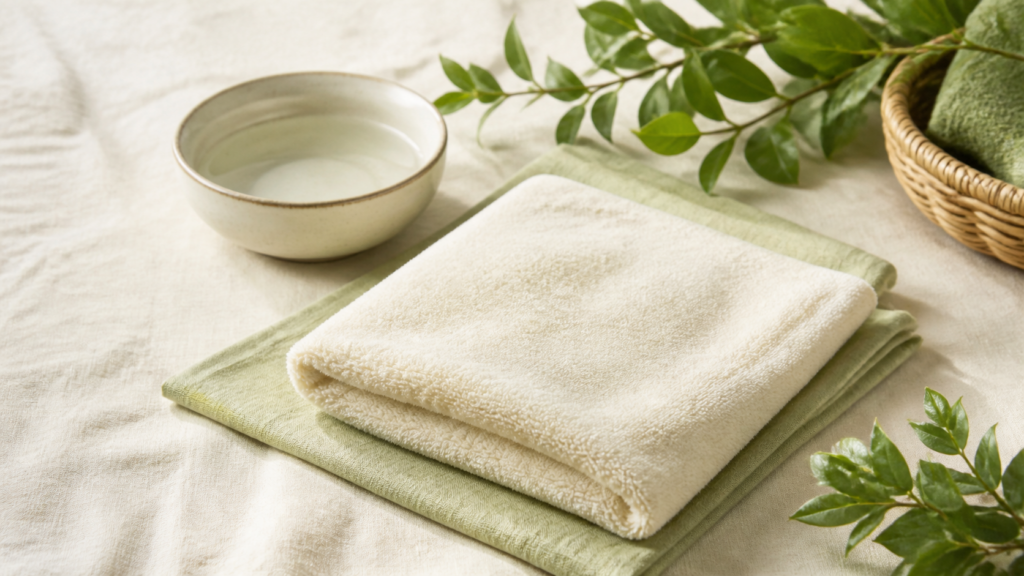
A warm compress can be a reasonable short-term comfort measure for mild muscle tightness or soreness. Use comfortable—not hot—warmth for a limited period, protect the skin, and monitor how you feel. It does not diagnose or treat the cause of ongoing or severe pain.
What These Remedies May Help With
Temporary muscle tightness, mild soreness after ordinary activity, and general comfort when there is no significant swelling, open wound, or recent serious injury.
How These Approaches May Help
Gentle warmth can feel soothing and may temporarily relax muscle tension. It may also increase local blood flow, although the amount and clinical importance of this effect can vary. Evidence for heat-based comfort measures depends on the condition and situation; warmth should not be presented as a cure or as a substitute for medical evaluation.
Common Ingredients or Materials
One clean, warm, damp towel or a commercially made heat pack used according to its label
A dry towel or cloth barrier if needed
Warm water that is comfortable to the touch, not scalding
A timer or clock
Optional: a cover designed for the specific heat pack
General Preparation Notes
Wash your hands and check the skin where the compress will be placed. Prepare warm, not hot, water or warm the heat pack according to the manufacturer’s instructions. Test the temperature on the inside of your wrist before applying it. Do not use a damaged, leaking, or overheated heat pack.
General Use Guidance
1. Place the warm compress over the uncomfortable muscle area.
2. Keep a layer of cloth between the heat source and skin when needed, especially with reusable or electric heat packs.
3. Use gentle warmth for about 15–20 minutes, unless the product instructions say otherwise. Verify this timing for the specific product.
4. Check the skin regularly. Remove the compress if the skin becomes very red, painful, numb, blistered, or irritated.
5. Allow the skin to return to its normal temperature before repeating. Do not fall asleep while using a heat pack.
6. Keep electric cords and heating devices away from water, and follow all manufacturer directions.
A warm compress may help relax tense muscles and ease temporary, everyday muscle discomfort. It is a simple comfort measure—not a treatment for an underlying injury or medical condition. Use gentle warmth for a limited time, protect your skin, and stop if discomfort or skin irritation develops.
Safety Considerations
Test the temperature first and inspect the skin during use. Extra caution is needed for children, older adults, people with diabetes, reduced sensation, circulation problems, or difficulty responding to heat. A healthcare professional should advise whether heat is suitable in these situations. Keep hot water and heating devices away from children and pets. Product-specific safety instructions take priority over general guidance.
Interactions & Who Should Avoid It
A warm compress generally has no known medication interaction because it is a non-drug measure. However, heat may be unsafe over medicated patches or topical products unless their labels permit it; warmth can potentially change absorption or increase irritation. Check the medicine and product instructions, and ask a pharmacist when uncertain.
When to Seek Professional Care
Seek urgent medical care for severe or rapidly worsening pain, major swelling or deformity, inability to use the affected body part, new weakness or numbness, chest pain, shortness of breath, fever with a hot or swollen area, or a serious injury. Contact a healthcare professional if discomfort is unexplained, keeps returning, does not improve with rest and simple care, or lasts longer than expected. Stop using the compress and seek care for a burn, blistering, marked skin discoloration, or persistent numbness.
Frequently Asked Questions
Can I use a warm compress for any muscle pain?
No. It may provide comfort for mild tightness or soreness, but severe pain, a serious injury, major swelling, numbness, or unexplained symptoms need medical assessment.
How hot should the compress be?
It should feel comfortably warm, never hot or painful. Test it on your wrist and use a cloth barrier when appropriate.
How long should I use it?
A commonly used short session is about 15–20 minutes, but verify the instructions for your specific product and stop sooner if the skin becomes irritated.
Can I sleep with a heating pad on?
No. Sleeping with a heating device increases the risk of burns and other injury.
Is heat better than cold?
It depends on the situation. Heat may feel better for tightness or stiffness, while cold is often considered for some recent injuries with swelling. Ask a healthcare professional for guidance when the cause is unclear.
When should I get medical help?
Seek help for severe or worsening pain, significant swelling, deformity, weakness, numbness, fever, chest symptoms, a serious injury, or symptoms that do not improve.