

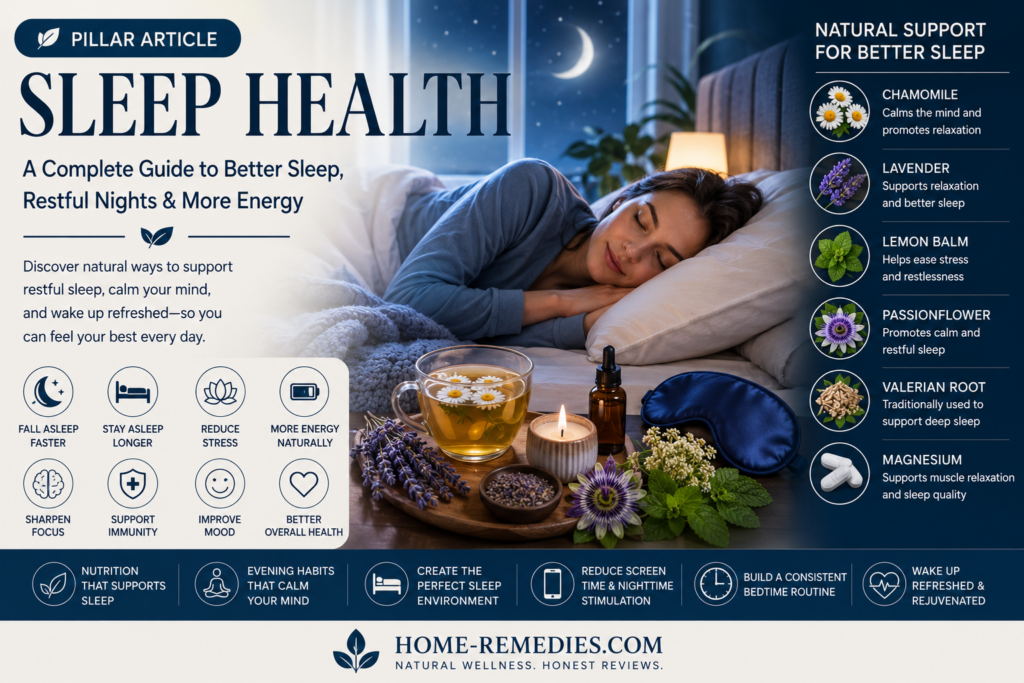
This guide explains how sleep works, how to evaluate your own sleep, practical habits and behavioral strategies to improve sleep quality, and warning signs that need clinical attention. It focuses on sustainable, low-risk changes and tracking progress over time.
Start Here
By reading the full article you’ll understand how sleep works, be able to evaluate your own sleep patterns, implement practical habits to improve sleep, and recognize when to consult a professional.
Key Takeaways
- Good sleep is built from biology (sleep stages, circadian rhythm) plus daily habits. Simple, consistent routines and environmental tweaks often improve sleep. Track patterns, not isolated nights; seek medical help for persistent problems or red-flag symptoms.
What You'll Learn
Why This Topic Matters
Sleep supports concentration, mood regulation, physical recovery, and long-term metabolic and cardiovascular health. Improving sleep often improves daytime function and quality of life.
Understanding Sleep: Why It Matters for Health and Daily Function
Foundational concepts: what happens during sleep and why it’s essential
Sleep is an active biological state during which the brain and body perform many restorative processes. Although it feels passive, sleep supports memory consolidation, emotional regulation, immune function, hormonal balance, metabolic health, and cellular repair. During sleep the brain replays and reorganizes information gathered while awake, which helps learning and problem-solving. At the same time, tissues repair and inflammatory processes are modulated, and hormones that regulate appetite, growth, and stress are adjusted. In practical terms, getting adequate, regular sleep supports attention, reaction time, mood stability, and physical recovery—abilities you rely on every day.
How sleep quality differs from sleep quantity
Sleep quantity refers to the amount of time spent asleep, typically measured in hours. Sleep quality refers to how restorative that sleep is: how easily you fall asleep, how often you awaken during the night, how refreshed you feel on waking, and whether your sleep includes sufficient time in the different sleep stages. It’s possible to spend eight hours in bed but still experience poor sleep quality if you wake frequently, have shallow sleep, or spend limited time in deeper sleep stages.
Both quantity and quality matter. Short sleep duration can impair cognition and increase health risks, but consistently poor sleep quality—even with sufficient hours—can produce similar problems. Aiming to improve both the amount and the restorative nature of your sleep yields the best outcomes.
Sleep Architecture and Circadian Rhythm
Sleep stages overview: NREM vs REM
Sleep unfolds in cycles across the night, alternating between non-rapid eye movement (NREM) and rapid eye movement (REM) sleep. NREM sleep is subdivided into stages, from light sleep to deep slow-wave sleep. Early in the night you usually get longer periods of deep NREM sleep, which is important for physical restoration and memory consolidation. REM sleep, which becomes longer in the later part of the night, supports emotional processing, creative thinking, and certain types of memory.
Healthy sleep involves cycling through multiple NREM-REM cycles, each lasting roughly 90–120 minutes. Interruptions that shorten or fragment these cycles can reduce the restorative benefits of sleep even if total time in bed seems adequate.
The role of circadian rhythms and the body clock
Circadian rhythms are internal biological processes that follow roughly 24-hour cycles, driven by a central “clock” in the brain. This internal clock helps determine when you feel alert and when you feel sleepy, coordinating body temperature, hormone release, metabolism, and other functions. Although individual “chronotypes” vary—meaning some people naturally prefer earlier or later sleep times—the circadian system is strongly influenced by external cues like light, activity, and meal timing.
Aligning sleep schedules with your circadian rhythm improves sleep onset, depth, and daytime functioning. Irregular schedules or activities that desynchronize the clock—shift work, jet lag, late-night screen use—can make falling asleep and staying asleep more difficult and reduce sleep quality.
Light exposure and melatonin: timing your sleep-wake cycle
Light is the most powerful external signal for the circadian clock. Bright morning light helps advance the clock and increases daytime alertness, while exposure to light in the evening—especially blue-rich light from screens—can delay the release of melatonin, the hormone associated with initiating sleep. Controlling light exposure can therefore help shift your sleep timing: seek bright natural light early in the day, dim lights in the evening, and minimize screen use close to bedtime.
Melatonin supplements may help with short-term circadian shifts (for example, jet lag) when used appropriately, but they are not a substitute for good sleep habits. Timing and dosage matter; if you are considering melatonin, discuss it with a healthcare professional for guidance tailored to your situation.
Common Sleep Disturbances: Recognizing What Might Be Off
Difficulty falling asleep, staying asleep, or early awakening
Insomnia commonly shows up in three ways: trouble initiating sleep (taking a long time to fall asleep), fragmented sleep or frequent awakenings during the night, and early morning awakenings with an inability to return to sleep. These problems can be transient—triggered by stress, travel, or short-term changes—or chronic, lasting months or more. Even when insomnia seems mild, it can undermine daytime energy, concentration, and mood over time.
Identifying the pattern of your sleep difficulty helps choose strategies to improve it. For example, trouble falling asleep often responds to pre-sleep relaxation and behavioral changes, whereas frequent awakenings may prompt evaluation for sleep disorders or medical factors that disturb sleep.
Restless legs syndrome, sleep apnea, and other common conditions
Several medical conditions can significantly disrupt sleep:
- Restless legs syndrome (RLS) produces uncomfortable sensations and an urge to move the legs, typically worse at night or when resting, which can delay sleep onset and fragment sleep.
- Obstructive sleep apnea (OSA) involves repeated airway collapse during sleep, causing brief awakenings, loud snoring, and daytime sleepiness. OSA increases cardiovascular risk and often requires medical evaluation and treatment.
- Periodic limb movement disorder features involuntary limb movements during sleep that can fragment sleep even if the sleeper is unaware of the movements.
If you snore loudly, gasp for air at night, experience excessive daytime sleepiness, or have abnormal nighttime movements, seek evaluation from a healthcare professional or a sleep specialist. Many of these conditions can be diagnosed and treated effectively.
Impact of stress, anxiety, and mood on sleep
Emotional states strongly affect sleep. Anxiety and rumination before bedtime can delay sleep onset and create anticipatory worry about not sleeping, which perpetuates insomnia. Depression often changes sleep patterns too, producing early morning awakenings or excessive sleepiness. (National Heart, Lung, and Blood Institute)
Addressing the underlying emotional or psychological contributors—through relaxation techniques, cognitive strategies, therapy, or medical treatment when appropriate—can improve sleep. Behavioral approaches focused on changing sleep-related thoughts and habits are often effective components of insomnia care.
Sleep Hygiene Essentials
Consistent sleep and wake times
Keeping a consistent sleep schedule—going to bed and waking at roughly the same times every day—helps stabilize the circadian rhythm and improves sleep regularity. Aim to keep your sleep schedule consistent even on weekends; large shifts in sleep timing can lead to “social jet lag,” making weekday sleep more difficult.
Choose sleep and wake times that allow for adequate sleep duration for your age and needs, then stick with those times as much as possible to build a reliable sleep-wake pattern.
Pre-sleep routines and winding down
A predictable pre-sleep routine signals to your brain that it’s time to transition toward sleep. Elements of an effective wind-down routine include:
- Dim lighting and reduced stimulation for 30–60 minutes before bed.
- Relaxation activities such as reading, gentle stretching, a warm bath, or breathing exercises.
- Avoiding stimulating or emotionally charged conversations, work, or intense exercise close to bedtime.
Keeping screens and work out of the bedroom reinforces the sleep cue, while consistent rituals—no matter how small—can improve sleep onset over time.
Bedroom environment: light, noise, temperature, and comfort
Your sleep environment should promote restful sleep. Key elements to consider:
- Light: Make the bedroom as dark as possible for sleep. Use blackout curtains or eye masks if external light is unavoidable.
- Noise: Reduce disruptive sounds. White noise machines, fans, or earplugs can help mask intermittent noise.
- Temperature: A cool bedroom—often recommended in the range of about 60–68°F (15–20°C) for many people—can support falling asleep and staying asleep. Individual comfort varies, so adjust within a comfortable but cool range.
- Comfort: Choose bedding and mattresses that support your preferred sleep position and reduce pain or discomfort. Remove clutter and maintain a calming, restful aesthetic.
Daily Habits That Support Sleep
Exercise timing and types of activity
Regular physical activity generally improves sleep quality and duration. Both aerobic exercise and resistance training are helpful. Timing matters: moderate to vigorous exercise earlier in the day or at least a few hours before bedtime usually benefits sleep, but for some people intense late-night workouts can be stimulating and delay sleep. Gentle activities, such as light stretching or yoga, may be suitable closer to bedtime.
If you’re experimenting with exercise timing, observe how your body responds and aim to make physical activity a sustainable, enjoyable part of your routine.
Caffeine, nicotine, and alcohol considerations
Caffeine and nicotine are stimulants that can disrupt sleep. Caffeine’s effects can last several hours for many people, so limiting intake in the afternoon and evening is prudent. Nicotine not only makes falling asleep harder but also fragments sleep.
Alcohol may help some people fall asleep faster, but it tends to reduce sleep quality and fragment sleep later in the night. Avoiding alcohol close to bedtime will improve the restorative sleep phases and reduce middle-of-the-night awakenings.
Strategic daytime napping practices
Naps can be a useful tool for reducing daytime sleepiness and improving performance when used strategically. Short naps (10–30 minutes) are often refreshing without causing sleep inertia or interfering with nighttime sleep. Longer naps that include deep sleep can leave you groggy and may disrupt sleep that night.
Timing naps earlier in the afternoon is less likely to interfere with nighttime sleep. People with insomnia should generally be cautious about daytime napping, as it can reduce sleep pressure and make falling asleep at night more difficult.
Diet, Nutrition, and Sleep
Sleep-promoting foods and nutrients
Certain foods and nutrients may support sleep when incorporated into a balanced diet. Tryptophan, an amino acid found in foods like turkey, dairy, and some nuts, is a precursor to serotonin and melatonin and may play a modest role in promoting sleep. Carbohydrates can enhance the availability of tryptophan to the brain when eaten as part of a balanced meal earlier in the evening.
Other nutrients associated with sleep include magnesium and certain B vitamins, which support nervous system function. Including a variety of whole foods—vegetables, fruits, lean proteins, whole grains, nuts, and seeds—helps ensure adequate intake of these nutrients. No single food is a magic sleep cure, but overall dietary patterns influence sleep quality.
Foods and drinks to limit before bedtime
Large, heavy meals close to bedtime can cause discomfort and indigestion that interfere with sleep. Spicy, fatty, or acidic foods may provoke reflux in sensitive individuals. Limiting caffeine and other stimulants in the late afternoon and evening reduces bedtime arousal. Alcohol and sugary foods near bedtime can fragment sleep architecture and reduce restorative stages of sleep.
Hydration and evening fluid intake
Staying hydrated throughout the day supports overall health, but drinking large volumes of fluid in the evening can increase nighttime awakenings to urinate. Moderating fluid intake in the hours before bed and emptying the bladder before going to sleep can help reduce nocturia-related sleep interruptions. Balance is key—don’t intentionally dehydrate, but be mindful of timing.
Herbs, Supplements, and Home Remedies
Evidence-based options commonly considered for sleep
Some people turn to herbal remedies and supplements to help with sleep. Commonly used options include melatonin, which can aid circadian adjustments and short-term sleep onset issues; certain herbal teas like chamomile that may have mild calming effects; valerian root, sometimes used for occasional insomnia; and magnesium supplements for those with low intake. The strength of evidence varies by option, and individual responses differ.
When considering any supplement, evaluate the expected benefit against potential side effects and interactions. Use the lowest effective dose for the shortest period necessary, and monitor how you feel while using the product.
Cautions, interactions, and safety considerations
Herbs and supplements are biologically active and can interact with prescription medications or medical conditions. Some can cause daytime drowsiness, affect blood pressure, or interact with anticoagulants, antidepressants, and other commonly used drugs. Products on the market vary in quality and potency. If you have a chronic health condition, are pregnant, breastfeeding, or taking medications, seek professional guidance before starting any supplement.
How to discuss supplements with a healthcare professional
Be prepared to discuss what you want to try, why, and any current medical conditions or medications you take. Share the product name and dose, and ask about safety, potential interactions, suggested duration of use, and how to monitor for side effects. A healthcare professional can help decide whether a supplement is reasonable, suggest alternatives, or recommend testing or referrals if a sleep disorder is suspected.
Stress Reduction and Relaxation Techniques
Mindfulness, breathing exercises, and progressive muscle relaxation
Relaxation techniques can reduce physiological arousal and quiet the mind before sleep. Mindfulness meditation involves gently bringing attention to the present moment, noticing thoughts without engaging them, which can reduce rumination. Simple breathing practices—such as slow, diaphragmatic breathing or paced breathing patterns—lower heart rate and promote calm.
Progressive muscle relaxation systematically tenses and then relaxes muscle groups from head to toe, helping to release bodily tension and prepare you for sleep. Practicing these techniques regularly increases their effectiveness at bedtime.
Journaling and cognitive strategies to ease bedtime worry
Bedtime worry often keeps people awake. A brief evening journaling session to list tasks, concerns, or a “worry list” for the next day can externalize worries and reduce their grip. Cognitive techniques—such as reframing catastrophic thoughts about sleep, setting realistic expectations, and practicing acceptance—also reduce anxiety around sleep. If intrusive thoughts persist, structured approaches such as cognitive-behavioral therapy for insomnia (CBT-I) are effective for many people.
Sleep Environment Optimization
Bedding, mattress comfort, and support
Comfortable bedding and a supportive mattress tailored to your sleep position and body type can reduce pain and promote uninterrupted sleep. Medium-firm mattresses often balance support and pressure relief for many sleepers, but individual preferences vary. Pillows that support proper neck alignment—higher for side sleepers, lower for stomach sleepers, and moderate for back sleepers—can reduce morning stiffness. Regularly assess mattress age and bedding condition; replacing them when they no longer provide comfort can improve sleep.
Soundscapes, white noise, and sleep-friendly visuals
Sound can be either disruptive or supportive. Consistent, gentle white noise or nature soundscapes can mask sudden environmental noises and help maintain steady sleep for some people. Visual cues in the bedroom should be calming—avoid stimulating décor or bright displays. Night lights should be minimal and warm-toned to reduce circadian disruption.
Temperature targets and humidity considerations
Core body temperature naturally falls during sleep. A cooler bedroom temperature typically supports this process and helps with falling asleep. Use breathable bedding and moisture-wicking sleepwear if night sweats or high humidity disturb sleep. Conversely, very low humidity can dry airways and skin; a balanced, comfortable humidity level supports a restful environment.
Naps: A Practical Guide
When naps help and when they don’t
Naps can provide valuable restoration after poor sleep, during shift work, or to counteract temporary sleep loss. Short naps boost alertness and performance without interfering much with nighttime sleep for most people. However, frequent or long naps late in the day can reduce sleep drive and worsen insomnia, particularly in people prone to nighttime sleep difficulties.
Best duration and timing for different ages and schedules
General nap guidelines:
- Short naps (10–30 minutes): Best for a quick alertness boost with minimal sleep inertia; suitable for most adults.
- Longer naps (60–90 minutes): May include REM and deep sleep and can aid memory consolidation but are more likely to cause grogginess and disrupt nighttime sleep if taken too late in the day.
- Children and older adults: Napping needs vary by age and condition; children often benefit from naps, while older adults may nap more due to fragmented nighttime sleep but should be cautious about timing relative to bedtime.
Optimal nap timing is generally early-to-mid-afternoon, when circadian propensity for sleep briefly increases for many people.
Sleep Aids, Remedies, and Safety Considerations
Non-prescription options and recommended usage patterns
Non-prescription sleep aids include antihistamine-based medications, melatonin, and certain herbal products. Antihistamines can cause sedation but often produce next-day drowsiness and tolerance with repeated use. Melatonin can help with circadian misalignment or occasional sleep initiation trouble when used carefully. Behavioral strategies and sleep hygiene are preferred long-term approaches; pharmacological aids are best used sparingly and under guidance.
Safety considerations, overlap with medical conditions, and potential risks
Many over-the-counter sleep aids can interact with other medications or exacerbate conditions like urinary retention, glaucoma, or cognitive impairment in older adults. Dependency, tolerance, daytime sedation, and falls are concerns with some sleep-promoting medications, particularly in older people. If you have chronic medical conditions, take prescription medications, or are pregnant or breastfeeding, consult a healthcare professional before using sleep aids.
When to avoid sleep aids and seek alternatives
If sleep problems persist despite good sleep hygiene, or if they result in severe daytime impairment, seek medical evaluation rather than relying on long-term over-the-counter remedies. If sleep disturbances are accompanied by symptoms such as loud snoring with gasping, unexplained daytime sleepiness, significant mood changes, or signs of a medical condition, professional assessment is warranted. Non-drug therapies, particularly cognitive-behavioral approaches, have strong evidence for chronic insomnia and are often preferred first-line treatments. (Journal of clinical sleep medicine : JCSM : official publication of the American Academy of Sleep Medicine)
Special Populations and Sleep
Sleep during pregnancy and postpartum considerations
Pregnancy brings many changes that can disrupt sleep: hormonal shifts, physical discomfort, frequent urination, and fetal movements. In later pregnancy, finding comfortable positions may be harder; side-lying with supportive pillows often helps. Relaxation techniques and short daytime naps can offset increased sleepiness, and addressing heartburn, reflux, or restless legs with appropriate measures can improve sleep quality.
Postpartum sleep is fragmented by infant care, feeding schedules, and hormonal changes. Strategies to support sleep include sharing nighttime duties when possible, napping when the baby sleeps, maintaining consistent light exposure, and accepting that sleep patterns will fluctuate. If mood symptoms or severe sleep deprivation arise, seek timely support from healthcare professionals.
Sleep for older adults and age-related changes
Normal aging alters sleep architecture: older adults may experience lighter sleep, earlier bedtimes and wake times, and more nighttime awakenings. Medical conditions, medications, and reduced physical activity can further affect sleep. Maintaining regular daytime activity, exposure to morning light, and consistent sleep schedules helps support sleep in later life. Evaluate new or worsening sleep problems with a clinician, as treatable conditions such as sleep apnea, restless legs, or mood disorders are common contributors.
Shift workers
Shift work disrupts the circadian rhythm and can make consistent, restorative sleep challenging. Strategies to improve sleep for shift workers include:
- Keeping a regular sleep schedule even on days off when possible.
- Using bright light exposure during the work shift and minimizing light exposure during the commute home (e.g., sunglasses) to help adjust the circadian system.
- Creating a dark, quiet, cool sleep environment during daytime sleep; blackout curtains and white noise can be helpful.
- Strategic use of naps before a night shift to reduce sleepiness and improve performance.
- Considering professional guidance for long-term management, as shift work can increase health risks and may require targeted interventions.
For shift workers who experience persistent excessive sleepiness or impaired functioning, medical evaluation and workplace accommodations may be necessary.
Improving sleep is often a gradual process that benefits from a multi-faceted approach: consistent schedules, optimized sleep environments, attention to lifestyle and diet, stress reduction, and appropriate medical evaluation when needed. Small, sustainable changes made consistently typically yield the best long-term improvements in sleep health.
Common Causes or Triggers
Irregular sleep schedule
Excess evening light or screen use
Caffeine, alcohol, or late meals
Stress and poor relaxation routines
Noisy or uncomfortable sleep environment
Shift work or travel across time zones
Underlying medical or psychiatric conditions
Natural Strategies to Consider
Consistent wake time and bedtime
Daylight exposure in the morning
Limit caffeine after early afternoon
Wind-down routine of 30–60 minutes
Bedroom optimized for cool, dark, and quiet sleep
Timed naps (short, early) when needed
Featured Remedies
- Behavioral therapy principles (stimulus control, sleep restriction)
- Relaxation techniques (deep breathing, progressive muscle relaxation)
- Mindfulness and cognitive strategies for worries at night
- Light exposure management (bright mornings, dim evenings)
- Short, controlled naps for sleep debt management
Featured Herbs & Supplements
- Herbal options sometimes used for sleep-support include chamomile and valerian; evidence is mixed and effects vary. Discuss use with a clinician especially if you take other medications.
Simple Daily Routine
Morning
- Expose yourself to natural light within 30–60 minutes of waking
- Moderate morning activity or gentle exercise
Daytime
- Limit caffeine after midday
- Get regular activity; avoid late vigorous exercise
Evening
- Begin wind-down routine 30–60 minutes before bed
- Dim lights and avoid stimulating screens
- Keep bedroom cool, dark, and quiet
Bedtime
- Go to bed when sleepy, maintain consistent wake time
- Use bed mainly for sleep and sex (avoid working in bed)
7-Day Sleep Reset Checklist
Printable daily checklist with morning light habits, evening wind-down prompts, and tracking fields to notice patterns across a week.
Get the Free GuideSafety Considerations
Avoid high-risk or experimental treatments without clinician oversight. Be cautious with supplements and herbs if you are pregnant, nursing, taking medications, or have a chronic condition. Do not drive or operate machinery if experiencing excessive daytime sleepiness; seek evaluation.
Interactions & Who Should Avoid It
Herbs such as valerian may interact with sedative medications. Alcohol worsens sleep architecture and can interact dangerously with sedative prescriptions. Coordinate with your healthcare provider before combining sleep medications and supplements.
When to Seek Professional Care
Frequent awakenings or difficulty returning to sleep for months
Excessive daytime sleepiness that impairs functioning
Loud, frequent snoring with gasping or witnessed pauses
Sleep paralysis with hallucinations causing distress
Sudden changes in sleep with mood, memory, or concentration problems
Unexplained weight changes, fevers, or neurological symptoms accompanying sleep issues
Frequently Asked Questions
What is a normal amount of sleep?
Most adults benefit from roughly 7–9 hours per night, but individual needs vary.
How quickly should I expect improvement if I change my sleep habits?
Some changes (like bright morning light) can help within days; stable benefits usually require weeks of consistent habits.
Are naps bad for night sleep?
Short naps (10–30 minutes) earlier in the day can restore alertness without disrupting nighttime sleep for many people; long or late naps can make falling asleep at night harder.
Do I need a sleep study?
See a clinician if you have loud snoring with gasping, severe daytime sleepiness, or suspected breathing-related sleep disorders; a clinician can advise if a sleep study is appropriate.
Can I rely on sleep trackers?
Trackers can show patterns and trends but are imperfect. Use them alongside sleep diaries and how you feel during the day.
When should I see a sleep specialist?
If sleep problems persist despite good sleep habits, or if you have red-flag symptoms like pauses in breathing, severe daytime sleepiness, or suspected parasomnias.
References & Sources
Trusted sources used to support this article.
- Sleep and Sleep Disorders — National Heart, Lung, and Blood Institute
- Behavioral and psychological treatments for chronic insomnia disorder in adults: an American Academy of Sleep Medicine clinical practice guideline. — Journal of clinical sleep medicine : JCSM : official publication of the American Academy of Sleep Medicine