

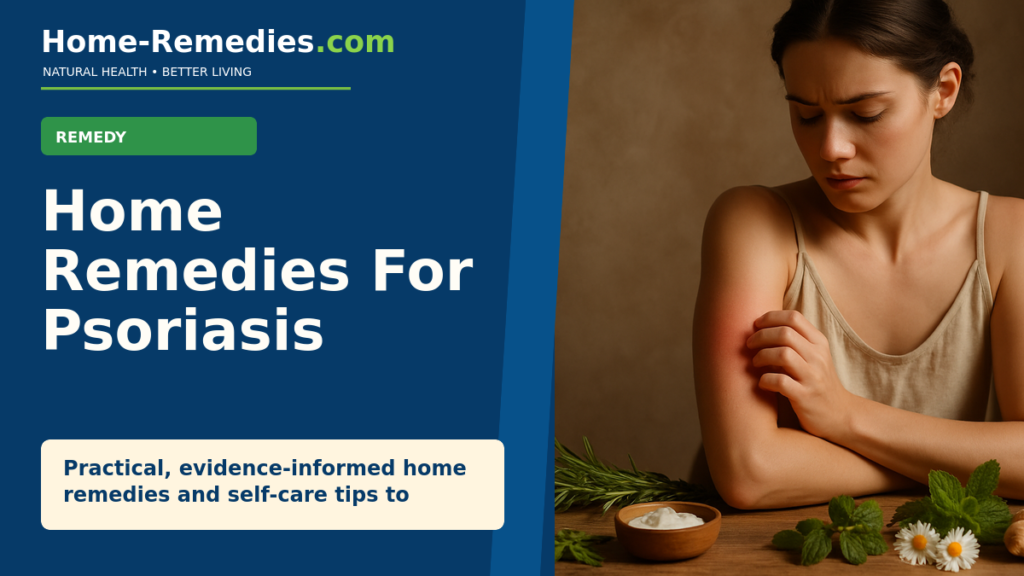
Psoriasis is a chronic inflammatory skin condition that commonly causes scaly, red plaques and can be managed with a combination of professional treatments and consistent at-home care. Home strategies can improve skin comfort and reduce flares for many people, but they do not replace medical evaluation for moderate-to-severe disease or sudden worsening.
What These Remedies May Help With
People with mild-to-moderate psoriasis symptoms who want practical self-care steps to reduce dryness, scaling, and itch while using medical care as needed.
Understanding Psoriasis: What It Is and How It Affects The Skin
Psoriasis is a chronic skin condition characterized by patches of thickened, scaly, and often inflamed skin. It arises from an accelerated cycle of skin cell turnover that produces visible plaques, commonly on the elbows, knees, scalp, and lower back, though it can appear anywhere on the body. The appearance and course of psoriasis vary widely between people — some have occasional, limited flares while others live with widespread or persistent disease. (PeerJ)
Beyond the visible plaques, psoriasis can cause itching, burning, or stinging sensations. The condition can also affect quality of life, sleep, and emotional wellbeing because of discomfort and its impact on appearance. In some individuals, psoriasis is associated with joint pain and stiffness (psoriatic arthritis), which requires coordinated care.
Types Of Psoriasis (Plaque, Guttate, Inverse, Pustular, Erythrodermic)
- Plaque Psoriasis: The most common form. Presents as well-defined, raised patches covered in silvery scales.
- Guttate Psoriasis: Small, drop-like lesions that often arise after an infection in children or young adults.
- Inverse Psoriasis: Smooth, red lesions in skin folds such as under the breasts, armpits, or groin.
- Pustular Psoriasis: Areas with pus-filled bumps, sometimes localized (e.g., hands and feet) or widespread.
- Erythrodermic Psoriasis: A rare, severe form involving widespread redness and scaling across most of the body; it can disrupt temperature regulation and requires urgent care.
Common Signs, Symptoms, And When To Seek Medical Advice
Common features include red or pink patches, thickened skin, flaky silvery scales, dryness and cracking, itching or burning, and nail changes (pitting, discoloration). Seek medical advice promptly if you experience:
- Rapidly spreading or very painful skin changes
- Widespread redness and fever, chills, or signs of infection
- Symptoms affecting joints (pain, swelling, stiffness)
- Significant emotional distress or interference with daily life
Severe forms (like erythrodermic or generalized pustular psoriasis) and unclear diagnoses should be evaluated urgently by a healthcare professional.
What Causes Psoriasis And How It Differs From Other Skin Conditions
Psoriasis is an immune-mediated condition in which the immune system contributes to increased inflammation and accelerated growth of skin cells. While the exact mechanisms are complex and involve multiple immune pathways, the result is characteristic thickened plaques rather than the delayed or superficial scaling seen in some other skin problems.
Genetic, Immune, And Environmental Factors
Psoriasis tends to run in families, and specific genetic factors increase susceptibility. The immune system—particularly certain immune cells and signaling molecules—plays a central role in driving inflammation and rapid skin cell turnover. Environmental and lifestyle factors interact with these predispositions to trigger or worsen flares.
Triggers To Watch For (Stress, Infections, Injuries, Medications)
- Stress: Emotional stress commonly precedes or worsens flares for many people.
- Infections: Respiratory infections, especially in children, can trigger guttate psoriasis.
- Skin Injury: Minor trauma such as cuts, sunburn, or scratching can trigger lesions at the injured site (Koebner phenomenon).
- Medications: Certain medications can worsen psoriasis in some individuals; discuss concerns with your clinician before stopping any prescribed drug.
- Climate And Lifestyle: Cold, dry weather often aggravates symptoms; smoking and heavy alcohol use are associated with worse disease in population studies.
How Psoriasis Is Diagnosed
Diagnosis is usually clinical—based on appearance, pattern, and history. A healthcare provider can often recognize psoriasis by examining the skin, scalp, and nails. When the presentation is atypical or to rule out other conditions, additional tests may be used.
Medical Evaluation And Typical Tests
- Clinical Exam: A dermatologic examination is often sufficient to diagnose typical plaque psoriasis.
- Skin Biopsy: A small sample of skin may be taken when the diagnosis is uncertain; this is analyzed under a microscope.
- Joint Assessment: If joint pain or stiffness is present, evaluation for psoriatic arthritis may include physical examination and imaging.
- Laboratory Tests: Blood tests may be ordered to assess inflammation or to rule out other causes; these are guided by presentation and suspected comorbidities.
When A Home Approach Is Appropriate Alongside Professional Care
Home care is appropriate for mild to moderate, stable psoriasis as a complement to medical guidance. Self-care can help manage dryness, reduce itch, and possibly decrease flare frequency. However, if you have severe, rapidly worsening, extensive, or painful disease; signs of infection; suspected psoriatic arthritis; or significant quality-of-life impact, seek professional care. Home remedies should not replace prescribed medical treatments when those are indicated. (Canadian family physician Medecin de famille canadien)
Evidence-Informed Overview Of Home Remedies And Self-Care
Self-care approaches focus on protecting the skin barrier, reducing scaling and itch, avoiding triggers, and supporting overall health. Some measures have clinical support for symptomatic relief; others are widely used but have limited evidence. Use a cautious, individualized approach and monitor response.
Skin Barrier Care: Gentle Cleansing And Moisturization
Keeping skin clean and well-moisturized is central to symptom control. Moisturizers help reduce dryness, minimize itching, and improve the appearance of plaques by softening scales. Choose gentle, fragrance-free cleansers and emollients formulated for sensitive or dry skin. Ointments or thick creams are usually more effective at preventing water loss than lotions.
Apply moisturizers while the skin is slightly damp to lock in hydration. During flares, consider more frequent application and richer formulations for targeted areas like elbows, knees, and hands.
Bath Strategies And Humidification
Warm baths can help loosen scales and soothe itching. For many people, short baths followed by prompt moisturization are helpful. Using a humidifier at home, especially during dry seasons, may reduce skin dryness and flare frequency. Avoid long, hot showers or baths that can strip natural oils and worsen dryness.
Topical And Bath-Based Strategies To Consider
Topical and bath-based approaches aim to remove scales, reduce inflammation, and restore barrier function. They are often combined with prescribed topical therapies for best effect.
Emollients And Ointments For Dryness And Scaling
Regular use of emollients forms a foundational step in psoriasis care. Emollients soften and lubricate the skin, improving flexibility and comfort. Ingredients to look for include simple occlusives (like petrolatum) and humectants (like glycerin) in fragrance-free formulations.
Thicker ointments can be particularly useful on thick plaques and in colder months. Applying emollients under dressings or before bedtime can increase contact time and benefit especially dry areas.
Oatmeal And Colloidal Oatmeal Baths
Colloidal oatmeal baths are commonly used to soothe itching and mild irritation. The finely ground oatmeal creates a milky water that can have a calming effect on inflamed skin. Many people find colloidal oatmeal helpful as an adjunctive measure; if you try it, choose products intended for baths and rinse gently afterward before moisturizing.
Epsom Salt Or Mineral Baths: Pros And Cautions
Epsom salts and some mineral baths may help with relaxation and scaling for some individuals. However, they can be drying for others. Use sparingly and follow with moisturization. Avoid very hot water and be cautious if you have open or cracked skin, as salts can sting and increase irritation. If you notice worsening symptoms after use, discontinue.
Diet And Lifestyle Approaches That May Support Skin Comfort
No single diet cures psoriasis, but lifestyle measures can support overall health and may reduce inflammation for some people. Dietary changes should be individualized and discussed with a healthcare professional, especially if you have other health conditions.
Anti-Inflammatory Dietary Patterns (General Guidance)
Dietary patterns that focus on whole foods, plenty of vegetables and fruits, whole grains, lean proteins, and healthy fats are generally recommended for overall health. Some people report symptom improvement when reducing processed foods and added sugars, and when increasing foods with anti-inflammatory profiles (for example, those rich in omega-3 fatty acids). Evidence is mixed and individualized responses vary.
Hydration, Weight Management, And Alcohol Considerations
- Hydration: Adequate fluid intake supports overall skin health but is not a standalone treatment.
- Weight: Maintaining a healthy weight may reduce systemic inflammation and is associated with better outcomes in some people with psoriasis.
- Alcohol: Heavy alcohol use is associated with worse psoriasis in population studies; moderating alcohol intake is prudent.
Stress Management Techniques And Sleep Hygiene
Since stress commonly triggers flares, techniques that reduce stress—such as mindfulness, breathing exercises, gentle yoga, or structured counseling—can be helpful adjuncts. Good sleep hygiene supports immune function and overall wellbeing, which may indirectly benefit skin health. Regular, manageable practices often have greater benefit than sporadic, intense efforts.
Herbs, Supplements, And Natural Products Commonly Discussed
Many natural products are promoted for psoriasis; some people experience symptomatic relief while evidence varies. Use these cautiously and discuss them with your clinician if you are taking medications or have medical conditions.
Aloe Vera Gel: Usability And Cautions
Aloe vera gel is frequently used topically for soothing inflamed skin. Some people find it reduces redness and discomfort when applied to plaques. Choose pure, fragrance-free preparations and patch test before broader use. Avoid applying aloe to open, infected, or extensively broken skin without medical advice.
Omega-3 Fatty Acids And Anti-Inflammatory Foods/Supplements
Omega-3 fatty acids from dietary sources (e.g., oily fish) or supplements are discussed for their potential anti-inflammatory effects. While some people perceive benefits, responses are individual and evidence is varied. Discuss use with a clinician, particularly if you are on blood-thinning medications or have bleeding risks.
Turmeric, Evening Primrose Oil, And Other Popular Options: What Is Known
Turmeric (curcumin) and evening primrose oil are among several supplements frequently mentioned for inflammatory skin conditions. Some people report symptom improvements, but clinical evidence is inconsistent. Supplements can interact with medications or affect medical conditions; consult a healthcare provider before starting them. Avoid relying solely on supplements for moderate to severe disease.
Free Home Remedies Toolkit
Get practical guides, checklists, trackers, herbal tea tips, shopping lists, and safety guidance for everyday wellness.
Safe Use And Practical Considerations For Home Remedies
When trying at-home measures, prioritize safety, observe for adverse reactions, and integrate nonpharmacologic steps with any prescribed treatments under the guidance of your healthcare team.
Patch Testing And Sun Exposure Cautions
Before applying new topical products widely, perform a small patch test to check for irritation or allergic reaction. Be cautious with natural products that can increase sun sensitivity and always use sun protection as advised. Moderate, controlled sun exposure may improve symptoms for some, but excessive sun and sunburn can worsen psoriasis and increase skin cancer risk.
Interactions With Medications And Medical Conditions
Herbal products and supplements can interact with prescription medications and affect conditions such as bleeding disorders, diabetes, and high blood pressure. If you are pregnant, breastfeeding, or on systemic medications, consult your clinician before starting supplements. Combine topical home remedies carefully with prescribed topical medications to avoid over-irritation.
Common Concerns And Myths About Psoriasis Care At Home
There is a lot of misinformation about psoriasis. Clear communication and realistic expectations help guide safe self-care.
Can Home Remedies Cure Psoriasis?
No. Home remedies and lifestyle changes can help manage symptoms, reduce dryness, and sometimes decrease the frequency or severity of flares, but psoriasis is a chronic condition for most people. Long-term management often requires a combination of self-care and medical treatments tailored to disease severity and individual needs.
When To Escalate To Medical Therapies (Topical Steroids, Biologics)
Escalate to medical therapies if you have moderate-to-severe disease, extensive body involvement, disabling symptoms, joint pain, or if home measures fail to control flares. Topical corticosteroids, vitamin D analogues, systemic therapies, and biologic agents can be highly effective for many patients and should be discussed with a dermatologist. Never start or stop prescribed therapies without professional guidance.
Safety, Evidence, And Quality Signals For Readers
Not all information about psoriasis is equally reliable. Look for measured, transparent advice and avoid products or programs that promise cures or rapid eradication of disease.
Interpreting Credible Sources And Avoiding Unproven Claims
Trust sources that provide balanced, evidence-aware guidance and acknowledge uncertainties. Be skeptical of testimonials that promise dramatic results, and be cautious of treatments that require costly, prolonged regimens without scientific backing.
How To Prioritize Safety When Trying At-Home Measures
- Introduce one new product at a time and patch-test first.
- Stop any treatment that causes increased redness, pain, swelling, or signs of infection.
- Keep a record of products and lifestyle changes to track what helps or harms.
- Discuss supplements and significant changes with your clinician, especially if you take other medications.
Practical Step-By-Step Plans You Can Start Today
These starter plans are intended as conservative, practical routines for people with mild-to-moderate plaque psoriasis looking to improve skin comfort and reduce flares. Adapt based on personal tolerance and clinician advice.
A 4-Week Starter Plan For Dry, Itchy Plaques
- Week 1: Begin gentle skin care. Replace harsh soaps with a mild, fragrance-free cleanser. Use a thick, fragrance-free emollient twice daily—apply within minutes after bathing to lock in moisture. Avoid hot showers and aggressive scrubbing.
- Week 2: Add targeted moisturizing at night to persistent plaques. Consider overnight occlusion (covering a moisturized area with a soft sleeve or glove) if well tolerated, to increase moisturizer contact time. Start a simple stress-reduction practice such as 5–10 minutes of guided breathing daily.
- Week 3: Try a short, lukewarm bath with colloidal oatmeal once or twice weekly to assess soothing effects, followed by prompt moisturization. If you notice improvement, continue; if symptoms irritate, discontinue. Continue daily moisturization and stress management.
- Week 4: Review progress. If plaques are improving, maintain the routine. If little or no improvement, or if symptoms worsen, contact your clinician to discuss additional topical or medical options.
A Weekly Routine Combining Bathing, Moisturizing, And Gentle Care
- Bathing: Short, warm (not hot) baths or showers several times weekly as needed; use a gentle cleanser.
- Moisturizing: Apply an emollient at least once daily, preferably after bathing and before sleep; increase frequency on hands, feet, elbows, and knees.
- Scalp Care: Use medicated shampoos as directed by a clinician, and follow with scalp emollients if helpful and tolerated.
- Sun Protection: Use appropriate sun protection for exposed skin and avoid deliberate tanning.
- Lifestyle: Maintain balanced nutrition, hydration, regular sleep, and stress management practices.
Monitoring Progress And Knowing When To Adjust
Carefully tracking your symptoms and treatments helps identify what works and when to seek more intensive care.
Tracking Flare Patterns And Response To Home Measures
Keep a simple log noting the date, potential triggers (stress, illness, weather changes), products used, and symptom severity. Over weeks, patterns may emerge that help you and your clinician plan targeted strategies.
Red Flags That Require Medical Evaluation
- Widespread, rapidly worsening redness or scaling
- Fever, chills, or systemic symptoms accompanying skin changes
- Pustules or signs of skin infection (increased pain, warmth, pus)
- New or worsening joint pain, stiffness, or swelling
- Severe emotional distress or functional impairment
If any of these occur, seek prompt medical evaluation.
With careful self-care, attention to triggers, and collaboration with healthcare professionals when needed, many people with psoriasis can improve symptoms and quality of life. Use conservative, consistent routines, monitor your skin’s response, and reach out for medical support when severity or complications exceed what can be safely managed at home.
Natural Options Covered Below
- Rich emollient/ointment for dry, scaly plaques
- Colloidal oatmeal baths for soothing inflamed, itchy skin
- Topical aloe vera gel as a gentle adjunct for mild plaques
Rich emollient/ointment for dry, scaly plaques
Best for: Dry, itchy plaques and cracked skin on hands, elbows, knees, and feet
Regular use of a thick emollient or ointment helps restore the skin barrier, reduce scaling and itch, and improve comfort between medical treatments.
A plain, fragrance‑free emollient or ointment (e.g., petrolatum‑based, mineral oil blends, or thick pharmacy creams); clean cloth or gloves for application if desired.
Apply a small amount of the emollient to affected areas after bathing and whenever skin feels dry. Use gentle pressure to work the product into scaling areas. Consider applying before bedtime and wearing cotton gloves or socks if helpful. Patch test once on a small area if you have sensitive skin. If you use prescription topical treatments, apply the emollient according to your clinician’s instructions so it won’t interfere with medication absorption.
Emollients trap moisture and fill gaps in the skin’s outer layer, softening scales and reducing water loss. Improving the skin barrier can lower irritation and make medical topicals more tolerable.
Choose fragrance‑free, low‑irritant products. Stop use and seek medical advice if new irritation, worsening rash, or signs of infection occur. Ask a clinician or pharmacist before combining with prescription topicals.
Colloidal oatmeal baths for soothing inflamed, itchy skin
Best for: Widespread itch, inflamed plaques, and skin that benefits from gentle bathing
Adding finely milled (colloidal) oatmeal to a lukewarm bath may soothe itch and reduce irritation while helping to loosen scales for gentler removal.
Colloidal oatmeal (finely milled, labeled as suitable for baths), lukewarm water, soft towel.
Prepare a lukewarm bath and add colloidal oatmeal according to product instructions. Soak briefly and gently pat skin dry afterward, then apply an emollient while skin is slightly damp. Patch test first if you have sensitivity and stop if irritation occurs. Follow the product label for preparation and frequency guidance.
Colloidal oatmeal contains compounds that can reduce inflammation, soothe the skin, and improve barrier function. Bathing with a gentle emollient follow-up helps retain moisture.
Avoid hot baths that may worsen dryness or itching. Keep baths brief and moisturize afterward. If lesions are weeping, severely inflamed, or infected, consult a clinician before bathing treatments.
Topical aloe vera gel as a gentle adjunct for mild plaques
Best for: Mild, localized plaques where a soothing, non‑steroidal topical adjunct is desired
Pure aloe vera gel applied to affected areas may provide symptomatic relief of itching and reduce mild redness for some people with psoriasis.
Pure aloe vera gel or inner leaf gel (fragrance‑free), clean hands or applicator.
Use a small amount of a pure, fragrance‑free aloe vera gel on a test patch first. If tolerated, apply sparingly to localized plaques and monitor skin response. Stop use if irritation develops. Discuss use with your clinician if you are using prescription topical therapies to avoid interactions.
Aloe contains compounds with anti‑inflammatory and moisturizing properties that may calm irritated skin and improve comfort for some individuals.
Avoid products with added fragrances or irritants. Do not apply to severely broken or infected skin without medical advice. If you have known plant allergies or experience worsening symptoms, discontinue and seek care.
Safety Considerations
Patch-test any new topical product on a small skin area and wait 24–48 hours for reactions. Discuss supplements and herbal products with your clinician, especially if you take systemic medications or have other medical conditions. Stop products that cause stinging, burning, or worsening rash.
Interactions & Who Should Avoid It
Some herbal supplements and over-the-counter products can interact with prescription medications or affect immune function. Coordinate any new supplement or topical treatment with your prescribing clinician or pharmacist.
When to Seek Professional Care
- Widespread or rapidly spreading skin involvement, severe pain, fever, signs of infection (increasing redness, warmth, pus), significant joint pain or reduced mobility, or symptoms that interfere with daily functioning—seek prompt medical care.
Frequently Asked Questions
Are home remedies effective for all types of psoriasis?
Home approaches can help relieve symptoms like dryness, scaling, and itch for many people but are unlikely to fully control moderate or severe forms alone. Work with a clinician for those cases.
How quickly do improvements typically appear with home care?
Some relief (less itch, softer skin) may be noticed within days of consistent moisturizing and gentle bathing; changes to plaques can take weeks. Response varies between individuals.
Can psoriasis be completely cured with home remedies?
Psoriasis is generally considered a long-term condition. Home care can improve symptoms and quality of life but is not a proven cure.
What safety steps should I follow with natural products?
Patch-test new topicals, tell your clinician about supplements, avoid unverified topical mixtures, and stop any product that causes irritation or allergic reactions.
References & Sources
Trusted sources used to support this article.