

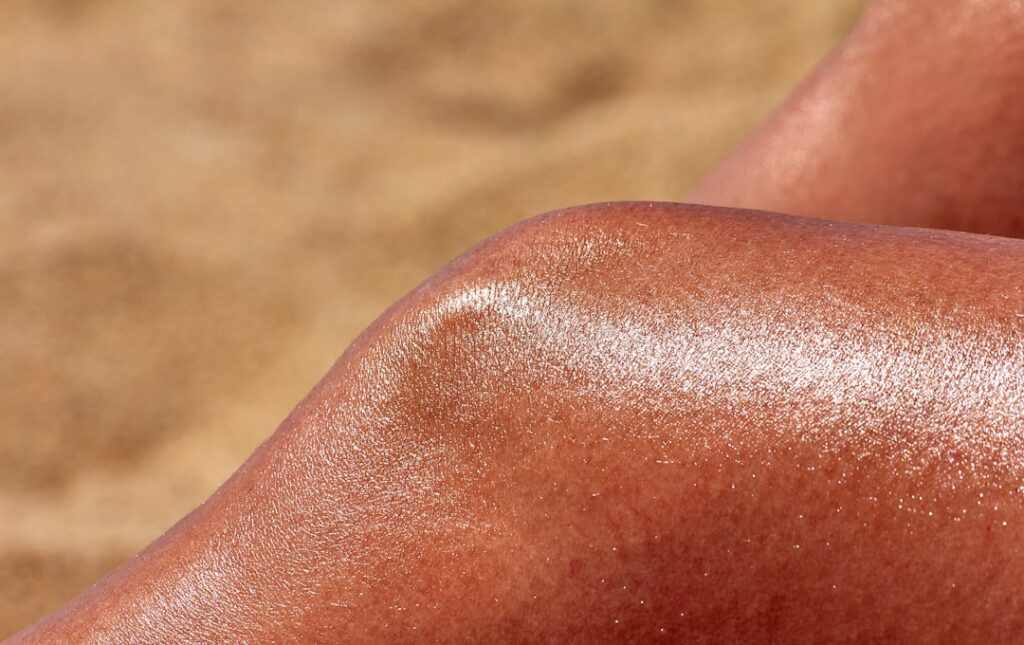
For a mild sunburn, cool the skin with cool water or a damp cloth, moisturize gently, drink fluids, avoid further sun, and leave blisters alone. Home care is for comfort and does not prevent long-term effects of UV exposure.
What These Remedies May Help With
Adults and older children with a small, mild sunburn affecting intact skin and without severe symptoms.
How These Approaches May Help
Cool—not icy—water can temporarily reduce heat and discomfort. A fragrance-free moisturizer or plain aloe vera gel may soothe dryness and tightness. Fluids help replace water lost through heat exposure, while avoiding more sunlight prevents additional injury. These steps support comfort and healing; they do not cure or erase sun damage.
Common Ingredients or Materials
Cool, clean water
Clean soft towels or compresses
Fragrance-free moisturizer
Plain aloe vera gel, if tolerated
Drinking water or other nonalcoholic fluids
Over-the-counter pain reliever, if normally safe for you and used according to the label
General Preparation Notes
Wash your hands. Use cool tap water or prepare a clean, cool damp towel. If using aloe, choose a plain product without fragrance, alcohol, or numbing ingredients when possible, and test a small area first. Verify the product label and ingredients before use.
General Use Guidance
1. Move out of direct sunlight and cover the affected area with loose, soft clothing.
2. Take a cool bath or shower, or apply a cool damp cloth for about 10 minutes at a time. Repeat as needed.
3. Pat the skin dry and apply a gentle, fragrance-free moisturizer or plain aloe gel while the skin is slightly damp. Stop if it stings or causes a rash.
4. Drink extra fluids and avoid alcohol, which can worsen dehydration.
5. If appropriate for you, consider acetaminophen or ibuprofen for pain, following the package directions. Ask a pharmacist or clinician first if you have kidney disease, stomach ulcers, liver disease, take blood thinners, are pregnant, or are unsure which medicine is safe.
6. Leave blisters intact and let peeling skin come off naturally. Protect healing skin from sunlight with clothing; once the skin is no longer raw, use broad-spectrum SPF 30 or higher on exposed areas according to the label.
Most mild sunburns can be cared for at home with cooling, hydration, moisturization, and protection from further sun exposure. Home care can ease discomfort but does not reverse skin damage. Seek medical care for severe blistering, dehydration, confusion, fever, infection signs, or sunburn in a baby.
Safety Considerations
Sunburn is a sign of ultraviolet skin injury. Do not use this guidance for severe, widespread, blistering, infected, or chemically complicated burns without medical advice. Children, older adults, pregnant people, and people with chronic illnesses or medicines that affect hydration or pain-reliever safety may need individualized guidance. Patch-test topical products and stop if irritation occurs.
Interactions & Who Should Avoid It
Ibuprofen and other NSAIDs may interact with blood thinners and may be unsafe with kidney disease, stomach ulcers, certain heart conditions, or pregnancy. Acetaminophen may be unsafe with liver disease, heavy alcohol use, or other medicines containing acetaminophen. Check labels to avoid duplicate ingredients and ask a pharmacist if uncertain. Topical aloe or moisturizers can cause contact irritation or allergy.
When to Seek Professional Care
- Get urgent medical help for confusion, fainting, severe weakness, repeated vomiting, inability to drink, very little urine, or signs of heat illness. Seek prompt medical care for extensive blistering, burns on the face, hands, feet, genitals, or over a major joint; severe swelling or pain; eye pain or vision changes; fever or chills; worsening redness, pus, red streaks, or other infection signs; or a burn in a baby or very young child. Contact a clinician if symptoms are not improving after a few days or if you are unsure how serious the burn is.
Frequently Asked Questions
Can aloe vera cure sunburn?
No. Plain aloe may temporarily soothe dryness or discomfort, but it does not reverse UV damage or guarantee faster healing.
Should I put ice on a sunburn?
No. Ice can injure already damaged skin. Use cool water or a cool damp cloth instead.
Can I pop sunburn blisters?
No. Keeping blisters intact helps protect the skin from infection. Cover loosely with a clean, nonstick dressing if needed and seek medical advice for extensive blistering.
How long does a mild sunburn take to improve?
Discomfort often improves over several days, but timing varies with severity. Seek care if it is worsening, extensive, infected-looking, or not improving.
Should I use sunscreen on a fresh sunburn?
Avoid exposing the burn to sunlight and cover it with loose clothing. Do not put sunscreen on broken or raw skin; follow product directions once the skin has healed enough for application.
When should a child with sunburn see a clinician?
Seek advice promptly for a baby or very young child, extensive redness or blistering, severe pain, fever, unusual sleepiness, vomiting, or difficulty drinking.
Sources
- American Academy of Dermatology (AAD), “How to treat sunburn”: https://www.aad.org/public/everyday-care/injured-skin/burns/treat-sunburns
- NHS, “Sunburn”: https://www.nhs.uk/conditions/sunburn/
- Mayo Clinic, “Sunburn: First aid”: https://www.mayoclinic.org/first-aid/first-aid-sunburn/basics/art-20056643
- Source details and URLs should be checked for current wording before publication.