

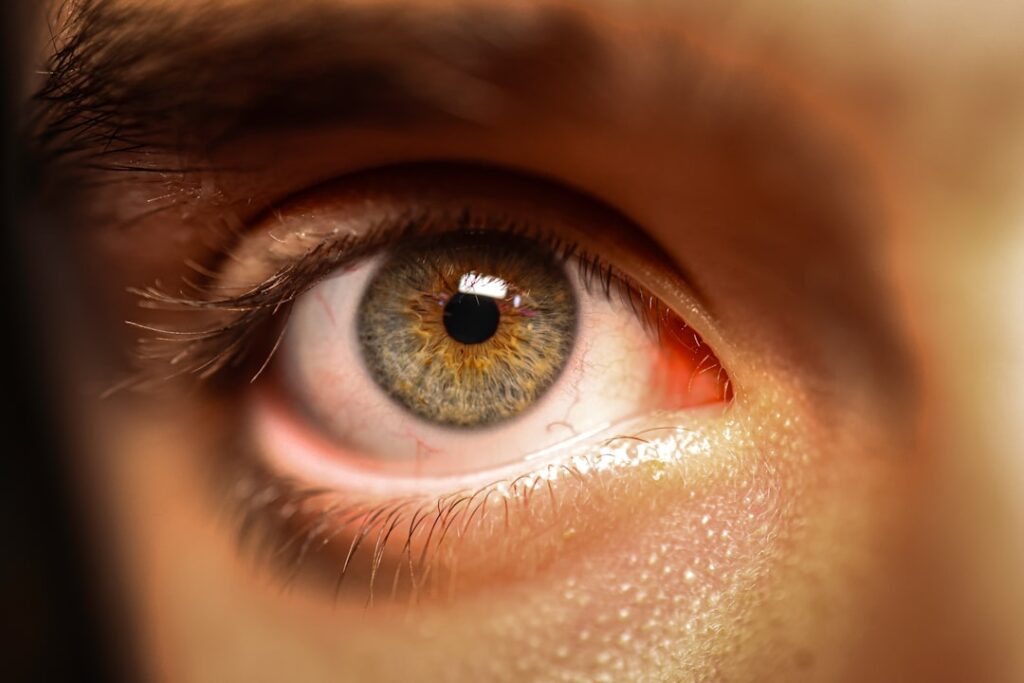
The safest home approach is supportive care plus infection-control measures, not a homemade eye remedy. Mild cases may improve on their own, but the cause matters and some red-eye conditions can threaten vision. When in doubt, contact a clinician, pharmacist, optometrist, or ophthalmologist.
What These Remedies May Help With
Adults and children with mild eye redness, watering, irritation, or discharge and no severe pain, vision change, significant light sensitivity, or eye injury. Children, contact-lens wearers, and people with weakened immune systems should seek medical advice sooner.
How These Approaches May Help
A cool compress may soothe irritation and swelling. Preservative-free artificial tears can temporarily lubricate the eye and wash away minor irritants. Handwashing and not sharing towels can reduce the spread of infectious conjunctivitis. These measures do not determine whether the cause is viral, bacterial, allergic, or something more serious.
Common Ingredients or Materials
Clean washcloth
Clean, cool or lukewarm water
Preservative-free artificial tears from a reputable pharmacy, if suitable for you
Clean tissues
General Preparation Notes
Wash your hands with soap and water. Wet a clean washcloth with cool water and wring it out. Use a separate cloth for each eye if both eyes are affected. Do not prepare or store homemade eye drops, salt water, honey, herbal mixtures, or other substances for use in the eye.
General Use Guidance
Apply the clean cool compress to the closed eye for about 5–10 minutes as needed for comfort.
Use artificial tears according to the product label; avoid touching the bottle tip to the eye or skin.
Gently wipe discharge away with clean water and a fresh tissue or clean washcloth.
Wash hands before and after touching the eyes.
Do not rub the eyes, share towels or cosmetics, or use another person’s eye drops.
Stop wearing contact lenses until symptoms have completely resolved and a clinician or eye-care professional says it is safe to restart. Discard disposable lenses and cases used during the illness as directed by an eye-care professional or product instructions.
Replace eye makeup used shortly before symptoms began, especially mascara, and do not share makeup.
Pink eye can be caused by a virus, bacteria, allergies, irritation, or another eye problem. Home care may ease discomfort, but it cannot reliably identify or cure the cause. Use clean cool compresses, lubricating artificial tears, and careful hygiene while monitoring symptoms. Avoid contact lenses and eye makeup until the eye is fully better. Get medical advice promptly for pain, light sensitivity, vision changes, injury, chemical exposure, or symptoms in a contact-lens wearer.
Safety Considerations
For external use only, and avoid contaminating the eye-drop bottle tip. Preservative-free artificial tears are often preferred when frequent use is needed, but check the label and ask a pharmacist if you have eye disease, allergies, or use other eye medicines. Children may need age-specific advice. Do not delay evaluation because a home measure provides temporary relief.
Interactions & Who Should Avoid It
Artificial tears can dilute or interfere with other eye medicines if used immediately together; ask a pharmacist or clinician about spacing products. Do not combine or substitute prescription eye medicines without professional advice. Contact-lens use can increase the risk of serious corneal infection, so contact-lens wearers should seek prompt professional guidance.
When to Seek Professional Care
- Seek urgent medical care for moderate or severe eye pain, new blurred or decreased vision, marked sensitivity to light, a severe headache with nausea, a visibly injured eye, chemical exposure, a foreign body that will not rinse out, a cloudy or white spot on the cornea, severe swelling, or symptoms in a contact-lens wearer. Seek prompt advice for a newborn with a red or draining eye, a person with a weakened immune system, or symptoms that are worsening or not improving after a few days. Chemical exposure requires immediate flushing with clean running water for at least 15–20 minutes while arranging urgent medical help; follow local emergency guidance.
Frequently Asked Questions
Can I treat pink eye at home?
You can usually use supportive care for mild symptoms, but home care cannot confirm the cause. Seek medical advice for severe, persistent, worsening, or high-risk symptoms.
Are antibiotics needed?
Not always. Antibiotics do not treat viral or allergic conjunctivitis and should be used only when prescribed or recommended by a qualified clinician.
How can I stop spreading it?
Wash hands often, avoid rubbing the eyes, clean discharge with disposable tissues, do not share towels or cosmetics, and avoid close personal contact while the eye is draining. Follow workplace or school guidance.
Can I wear contact lenses?
No. Stop wearing them until symptoms have fully resolved and a clinician or eye-care professional confirms it is safe. Seek prompt care if you wear contacts and develop a red eye.
Can I use a warm compress?
A clean warm or cool compress may be soothing. Use a temperature that feels comfortable and avoid heat that could burn the skin or eye.
When should I see a clinician?
Seek prompt care for pain, light sensitivity, vision changes, injury, chemical exposure, severe swelling, a cloudy cornea, contact-lens use, newborn symptoms, or symptoms that worsen or fail to improve after a few days.
Is pink eye always contagious?
No. Viral and bacterial conjunctivitis can spread, while allergic or irritant-related redness is generally not contagious. The cause may be difficult to identify without an examination.