

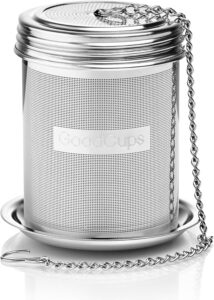
Amazon.com: Stainless Steel Tea Infuser for Loose Leaf Tea, Medium (2.05” Diameter x 2.95” Height) – Extra Fine Mesh Strainer with Chain Hook & Lid, Reusable Tea Steeper for Mugs, Cups & Teapots : Home & Kitchen
amazon.com
Amazon.com: Stainless Steel Tea Infuser for Loose Leaf Tea, Medium (2.05” Diameter x 2.95” Height) – Extra Fine Mesh Strainer with Chain Hook & Lid, Reusable Tea Steeper for Mugs, Cups & Teapots : Home & Kitchen
Shop NowWe may earn a commission from qualifying purchases at no additional cost to you.
Understanding Bloating and the Role of Herbal Tea in Digestive Comfort
What Causes Bloating?
Bloating is a feeling of fullness or swelling in the abdomen. Visible enlargement is called abdominal distention; the two do not always occur together.
Swallowed air, the breakdown of certain carbohydrates, constipation, food intolerances, and changes in how the gut senses or moves gas can contribute. Bloating does not always mean that your digestive tract contains excessive gas. (NIDDK: Symptoms and Causes of Gas)
Where Herbal Tea Fits
Some herbs have traditional uses for mild digestive discomfort, but evidence differs by plant and preparation. A traditional-use designation does not mean that clinical trials have established effectiveness.
Tea may be an enjoyable drink, but it should not replace evaluation or treatment of the underlying cause of recurring symptoms. The sections below explain what is known about each herb and where evidence is limited.
How to Read the Evidence
When assessing a claim about herbal tea, consider:
-
The preparation:
Results from essential oils, capsules, or standardized extracts may not apply to brewed tea.
-
The study design:
Laboratory findings suggest possible mechanisms; they do not establish benefits in people.
-
The ingredients:
A study of several herbs together cannot show that one ingredient produced the benefit.
-
The condition studied:
Results for nausea or irritable bowel syndrome do not automatically establish relief of occasional bloating.
-
The safety information:
Age, pregnancy, allergies, health conditions, and medications can affect whether a product is appropriate.
For broader information about digestive habits and related symptoms, see our Gut Health guide.
Speak with a healthcare professional if bloating bothers you, changes suddenly, or occurs with abdominal pain, constipation, diarrhea, or unintended weight loss.
Peppermint Tea for Bloating
What the Evidence Shows
Peppermint has traditional digestive uses, but research on peppermint leaf and tea is limited. It is not established that peppermint tea reliably relieves bloating.
Some research suggests that enteric-coated peppermint oil capsules may improve overall IBS symptoms and abdominal pain in adults. These findings concern a specific preparation and should not be treated as proof that tea provides the same benefits. (Peppermint oil systematic review)
Preparation and Serving Tips
For packaged peppermint tea, follow the preparation and serving instructions. Strength varies between products, so this guide does not recommend a universal amount or number of cups for treating symptoms.
Do not add aromatherapy oil to tea or substitute essential oil for peppermint leaves.
Safety and Precautions
Peppermint may worsen heartburn or reflux in some people. Stop using it if symptoms worsen.
Peppermint tea appears safe, but the long-term safety of consuming large amounts of peppermint leaf is unknown. Ask a healthcare professional before medicinal use if you take medication, are pregnant or breastfeeding, or are preparing it for a child. (NCCIH: Peppermint Oil)
Ginger Tea for Bloating
What the Evidence Shows
Ginger has traditional digestive uses, but it is not established that homemade ginger tea reliably relieves bloating or trapped gas.
Research suggests ginger may help pregnancy-related nausea and vomiting. Findings differ for other types of nausea, and most studies tested supplements rather than foods or tea. Nausea research should not be presented as proof of bloating relief. (NCCIH: Ginger)
Preparation and Serving Tips
For packaged ginger tea, follow its preparation and serving instructions. Homemade tea varies in strength and should not be assumed equivalent to supplements used in clinical studies.
This guide does not recommend a universal treatment amount or daily cup limit. Do not increase the strength or frequency to try to reproduce supplement-study results.
Safety and Precautions
Ginger taken by mouth can cause abdominal discomfort, heartburn, diarrhea, and mouth or throat irritation. Stop using a preparation that causes troublesome symptoms.
Ask a pharmacist or clinician before medicinal use if you take medication or have a medical condition. During pregnancy, consult your maternity care provider before using ginger supplements for nausea. Safety during breastfeeding is less well understood. (NCCIH: Ginger)
Chamomile Tea for Bloating
What the Evidence Shows
German chamomile has traditional uses for minor digestive complaints, including bloating and minor spasms. EMA recognizes certain flower preparations for these uses based on long-standing experience rather than sufficient clinical trial evidence to establish effectiveness. (EMA: Matricaria flower)
Preliminary anxiety research on some chamomile supplements does not establish that tea relieves stress-related bloating. Benefits should not be predicted from a proposed calming effect.
Preparation and Serving Tips
Choose a product identifying German chamomile, such as Matricaria chamomilla or Matricaria recutita, and follow its preparation and serving instructions.
Roman chamomile is a different species. Do not assume that evidence or directions for German chamomile apply to it. This guide does not recommend combining herbs to increase their effects.
Safety and Precautions
Avoid chamomile preparations if you are allergic to chamomile or related Asteraceae plants, including ragweed, chrysanthemums, marigolds, or daisies. Allergic reactions can sometimes be severe.
Ask a pharmacist or clinician before medicinal use if you take medication. Interactions with warfarin and some medicines processed by the liver have been reported; interactions with sedatives are also possible.
Seek professional advice if you have an estrogen-sensitive condition or use hormonal contraception. Safety during pregnancy and breastfeeding is not well established. (NCCIH: Chamomile)
Fennel Tea for Bloating
What the Evidence Shows
Sweet fennel fruit, commonly called fennel seed, has traditional medicinal uses for mild digestive spasms, gas, and bloating. EMA recognizes these uses based on long-standing experience rather than sufficient clinical trial evidence to establish effectiveness.
This does not establish that every fennel tea reliably relieves symptoms or that stronger preparations work better. For broader self-care information, see our guide to gas and bloating.
Preparation and Serving Tips
Choose a packaged sweet fennel fruit tea with clear preparation, serving, and age instructions. Follow those directions rather than increasing strength or adding extra servings.
Tea, essential oil, concentrated extracts, and culinary fennel bulbs are different preparations. Do not use tea instructions to dose essential oils or extracts.
Safety and Precautions
Medicinal sweet fennel fruit use is not recommended during pregnancy or breastfeeding because adequate safety information is lacking.
Avoid it if allergic to fennel, anethole, related Apiaceae plants such as aniseed, caraway, celery, coriander, or dill, or mugwort pollen.
Use is not recommended for children under 4. For older children, seek professional guidance because preparation, duration, and estragole content matter.
EMA limits medicinal use in adults and adolescents to two weeks and advises keeping estragole exposure as low as practically achievable. Seek medical advice sooner if symptoms persist or worsen. If you take medication, ask a pharmacist before medicinal use. (EMA: Sweet fennel fruit monograph, revised 2024)
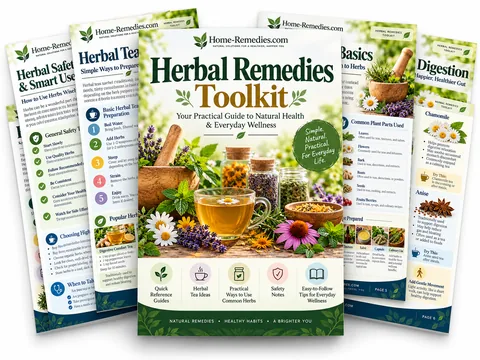
Free Herbal Remedies Toolkit
Get practical herb references, tea ideas, safety notes, and printable tracking pages.
Dandelion Tea for Bloating
What the Evidence Shows
Dandelion (Taraxacum officinale) has traditional digestive uses, but human research is very limited. There is no compelling scientific evidence supporting dandelion for any health condition, including bloating.
Claims about improving “liver flow,” relieving trapped gas, or producing predictable laxative benefits should not be treated as established effects. Laboratory findings about extracts do not demonstrate that dandelion tea provides those benefits. (NCCIH: Dandelion)
Preparation and Serving Tips
For packaged dandelion root tea, follow its preparation and serving instructions. Check which plant part the product contains; roots, leaves, and flowers should not be assumed interchangeable.
This guide does not recommend a treatment dose or daily cup target for bloating. Avoid increasing strength or frequency in pursuit of unproven benefits.
Safety and Precautions
Dandelion in ordinary food amounts is considered likely safe, but less is known about larger amounts or medicinal use.
NCCIH identifies theoretical interaction concerns with diabetes medicines, anticoagulants, antiplatelet medicines, and diuretics, among others. These concerns should not be described as confirmed interactions. Ask a pharmacist or clinician before medicinal use if you take medication or supplements.
Avoid products containing ingredients to which you are allergic. Safety of amounts above ordinary food use during pregnancy or breastfeeding is poorly understood. (NCCIH: Dandelion)
Lemon Balm Tea for Bloating
What the Evidence Shows
Lemon balm (Melissa officinalis) leaf has traditional medicinal uses for mild digestive complaints, including bloating and gas. EMA also recognizes traditional uses for mild stress symptoms and as a sleep aid.
These uses rest on long-standing experience rather than sufficient clinical trial evidence to establish effectiveness. They do not demonstrate that lemon balm tea works best for stress-related bloating. (EMA: Melissa leaf)
Preparation and Serving Tips
For packaged lemon balm leaf tea, follow its preparation, serving, and age instructions. Tea, tinctures, and concentrated extracts are different preparations.
This guide does not recommend combining herbs to increase their effects or adjusting tea strength to reproduce extract-study results.
Safety and Precautions
Avoid products containing ingredients to which you are allergic. EMA does not recommend medicinal use in children under 12, or during pregnancy or breastfeeding, because adequate information is lacking.
Lemon balm medicines may impair driving or machinery use. Do not drive if affected.
Interaction data are unavailable in EMA’s monograph. Laboratory and animal findings suggest possible thyroid-related effects, but their relevance in people is unknown; this is not evidence of a confirmed “rare” thyroid-medication interaction. Ask a pharmacist or clinician before medicinal use if you take medication or have a thyroid condition.
Seek medical advice if symptoms persist beyond two weeks, or sooner if they worsen. (EMA: Melissa leaf monograph)
Caraway Tea for Bloating
What the Evidence Shows
Caraway (Carum carvi) fruits, commonly called seeds, are traditionally used for digestive complaints such as gas and bloating.
The European Medicines Agency recognizes this use based on long-standing experience. This does not establish that caraway tea reliably reduces gas production or relieves bloating in clinical trials. (EMA: Caraway fruit)
Preparation and Serving Tips
Choose a packaged caraway fruit tea and follow its preparation and serving instructions. Caraway essential oil is a different preparation and should not be substituted for tea.
Safety and Precautions
Avoid caraway if you are allergic to it, related plants such as fennel, anise, celery, coriander or dill, or to mugwort or birch.
EMA does not recommend medicinal use in children under 12, during pregnancy or breastfeeding, or in people with liver disease, gallstones, other bile-duct disorders, or absent stomach-acid production.
Seek medical advice if symptoms worsen or persist beyond two weeks. (EMA: Caraway fruit monograph)
Anise Tea for Bloating
What the Evidence Shows
Anise (Pimpinella anisum) is traditionally used for mild digestive cramping, bloating, and gas. The European Medicines Agency recognizes these uses based on long-standing experience rather than sufficient clinical evidence to establish effectiveness.
Anise tea should therefore be considered a traditional option, rather than a proven treatment for bloating. (EMA: Anise fruit)
Preparation and Serving Tips
Choose a packaged aniseed tea and follow its preparation and serving instructions. Check that the ingredient is Pimpinella anisum. Star anise is a different plant, and anise essential oil is a different preparation.
Safety and Precautions
Avoid anise if you are allergic to aniseed, anethole, or related plants such as caraway, celery, coriander, dill, or fennel. Allergic reactions can affect the skin or respiratory system.
EMA does not recommend medicinal use in children under 12 or during pregnancy or breastfeeding because adequate safety information is lacking.
Do not use medicinal anise tea for more than two weeks. Seek medical advice if symptoms persist or worsen. (EMA: Anise fruit monograph)
Practical Strategies for Using Herbal Tea Safely
Choosing a Tea
-
Choose products with a complete ingredient list, clear preparation instructions, and an identifiable manufacturer.
-
Check the botanical name and plant part where provided.
-
A single-ingredient tea makes it easier to identify what you consumed if symptoms or an allergic reaction occur.
-
Check every ingredient in a blend against your allergies and the precautions in this guide.
Preparation, Serving Amounts, and Duration
There is no single serving amount or daily cup limit appropriate for all eight herbs. Follow the specific product instructions and the herb-specific precautions above.
Do not increase the strength or frequency because a tea has not helped. Tea, concentrated extracts, and essential oils are different preparations and should not be treated as interchangeable.
Some medicinal teas have short-term use limits. Follow those limits rather than repeatedly switching herbs to manage persistent symptoms.
Medications and Health Conditions
Ask a pharmacist or clinician before medicinal use if you take medication, have an ongoing health condition, are pregnant or breastfeeding, or are choosing a product for a child.
Bring the ingredient list or product packaging so they can assess the actual preparation. Herbal products can interact with medicines, and safety information is incomplete for some populations. (NCCIH: Using Dietary Supplements Wisely)
Monitoring Your Response
Record the tea, serving amount, timing, and any changes in symptoms. Stop using a product that causes new or worsening symptoms.
If it does not help, there is no need to continue it. Persistent bloating deserves assessment rather than stronger or more frequent tea.
Food and Lifestyle Habits for Digestive Comfort
Eating Habits and Food Triggers
Try a few manageable changes:
-
Eat slowly while sitting down.
-
Consider smaller meals if large meals trigger discomfort.
-
Reduce fizzy drinks, chewing gum, and drinking through straws if these worsen symptoms.
-
Keep a food-and-symptom diary to look for patterns.
Food triggers vary. Avoid removing entire food groups simply because they can cause gas in some people. A clinician or registered dietitian can help identify useful changes while maintaining a balanced diet.
A low-FODMAP diet may help some people with IBS, but it is a structured dietary approach best discussed with a clinician or dietitian. (NIDDK: Eating and Diet for Gas Symptoms)
Fluids, Fiber, and Movement
Drink water regularly. If constipation contributes to bloating, ask about an appropriate fiber intake; suddenly adding large amounts can increase gas.
Regular activity, such as walking at a comfortable pace, may also help. These habits support digestive care, but the best approach depends on what is causing your symptoms.
When to Seek Medical Care
Arrange medical advice if bloating occurs regularly, does not go away, or accompanies unintended weight loss or blood in the stool.
Seek urgent assessment for bloating with persistent vomiting, fever, or inability to pass stool or gas.
Get emergency care for sudden severe abdominal pain, vomiting blood or material resembling coffee grounds, or severe difficulty breathing. (NHS: Bloating)
References & Sources
Trusted sources used to support this article.
- NIDDK — Symptoms & Causes of Gas in the Digestive Tract — National Institute of Diabetes and Digestive and Kidney Diseases (NIDDK)
- NIDDK — Eating, Diet, & Nutrition for Gas in the Digestive Tract — National Institute of Diabetes and Digestive and Kidney Diseases (NIDDK)
- NHS — Bloating — National Health Service (NHS)
- NCCIH — Using Dietary Supplements Wisely — National Center for Complementary and Integrative Health (NCCIH)
- NCCIH — Peppermint Oil — National Center for Complementary and Integrative Health (NCCIH)
- NCCIH — Ginger — National Center for Complementary and Integrative Health (NCCIH)
- NCCIH — Chamomile — National Center for Complementary and Integrative Health (NCCIH)
- EMA — Sweet Fennel Fruit Herbal Monograph — European Medicines Agency (EMA)
- NCCIH — Dandelion — National Center for Complementary and Integrative Health (NCCIH)
- EMA — Lemon Balm Leaf Herbal Monograph — European Medicines Agency (EMA)
- EMA — Caraway Fruit Herbal Monograph — European Medicines Agency (EMA)
- EMA — Anise Fruit Herbal Monograph — European Medicines Agency (EMA)